
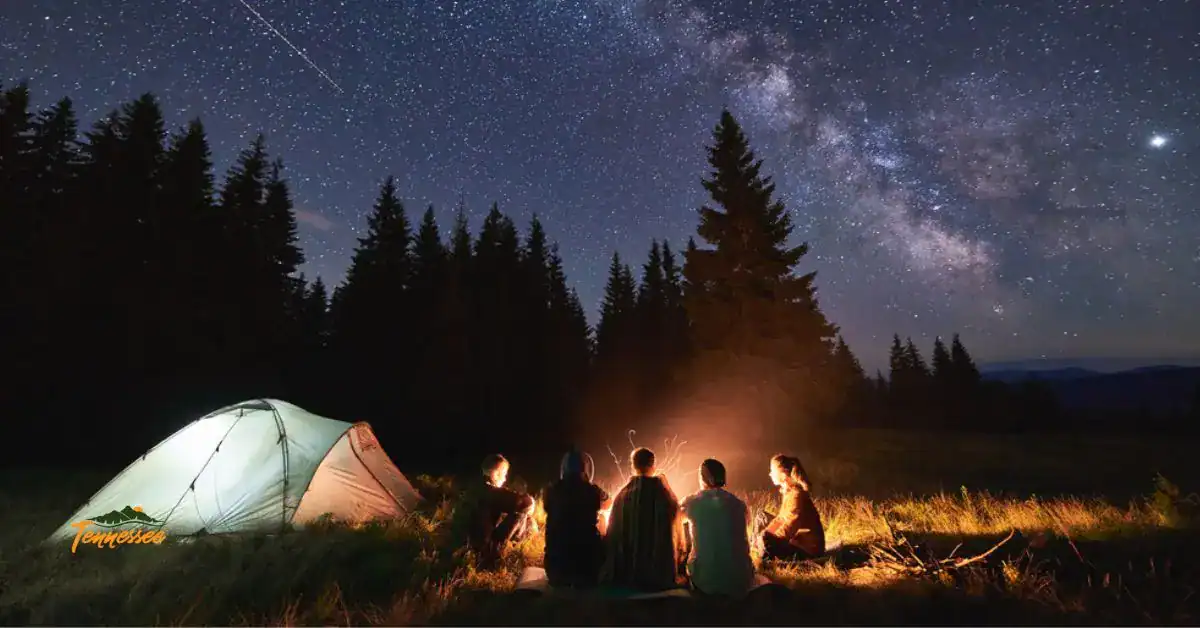
Practicing campfire safety in Tennessee makes every camping trip safer and more fun. A campfire is the heart of camping—where you laugh, share stories, and roast marshmallows.
But fire requires responsibility. That’s why campfire safety matters, especially when camping in the Smoky Mountains or exploring Tennessee’s State Parks. Practicing these simple rules helps protect both your family and the outdoors you love.
This post contains affiliate links from several of our trusted partners, including Amazon. If you book or purchase through these links, we may earn a small commission at no extra cost to you. As an Amazon Associate I earn from qualifying purchases. We appreciate your support!
Camping in Tennessee: A Fun Outdoor Tradition
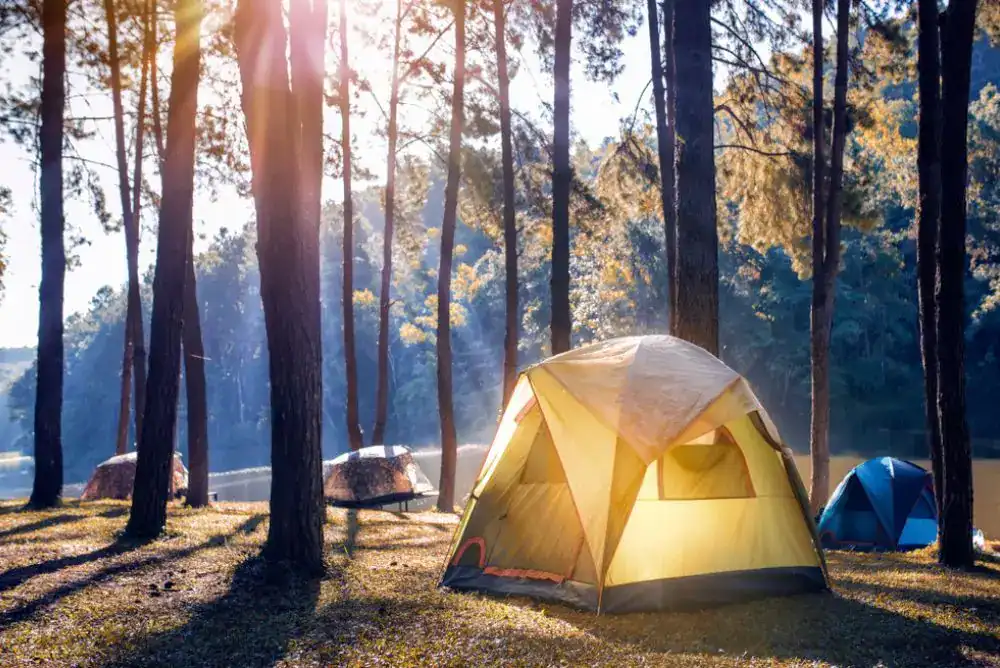
Camping in Tennessee is always exciting. You can pitch a tent in the Smoky Mountains or stay in a cabin in one of the 60 Tennessee State Parks.
Families hike waterfalls, paddle rivers, and relax under the stars. But no matter where you stay, campfire safety should always be part of the fun.
Explore Camping in Tennessee
Looking for ideas for your next adventure? If so, check out these helpful resources:
- Pigeon Forge Camping – plan your stay in one of Pigeon Forge’s campgrounds.
- Camping in Cades Cove – plan a trip to one of the Smokies’ most popular areas.
Wildfires and Responsibility Outdoors
Wildfires can start in seconds. A spark, a breeze, or an unattended flame is all it takes. During your camping trip, a few careful choices keep Tennessee’s forests and wildlife safe.
Wildfire Facts
Staying aware is part of campfire safety in Tennessee. Here are a few quick facts to keep in mind:
- Most wildfires are human-caused. Even one unattended ember can spread.
- Wildfire season peaks in fall and spring. Dry leaves and wind raise the risk.
- Fires spread fast. In the Smokies, strong winds can carry sparks for miles.
- Burn bans matter. Always follow local warnings — they’re in place to protect you and the forest.
Let’s Talk Campfire Safety
Before you light a campfire, take a quick safety check. It’s a simple step that keeps camping in Tennessee fun and safe.
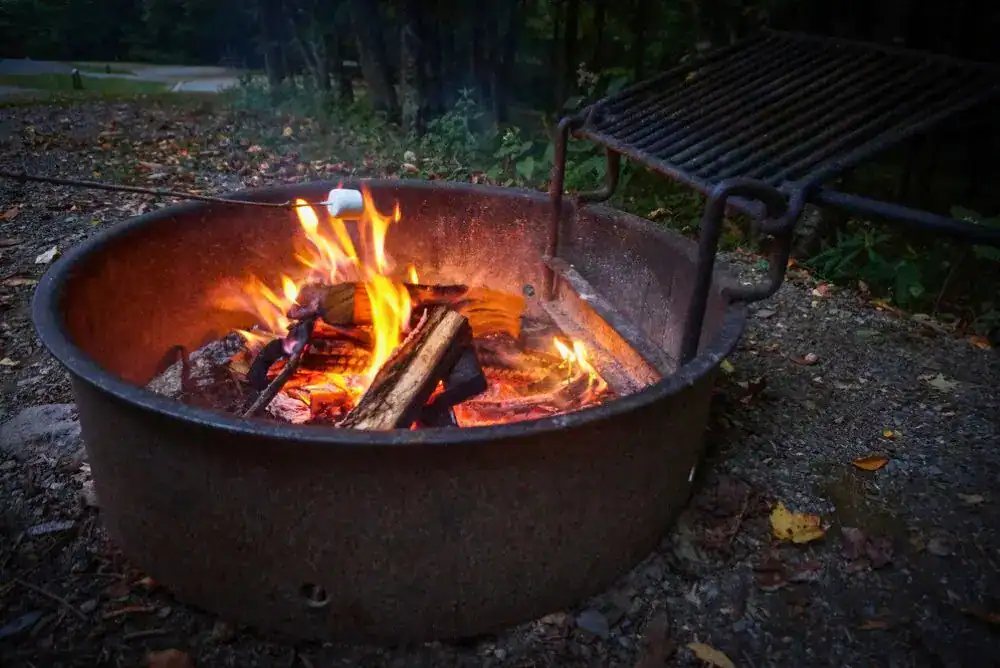
1. Campfire Safety: Choose the Right Location
In Tennessee’s State Parks and the Smokies, campfires are only allowed in fire rings, pits, or grills.
- Never dig your own fire pit.
- Stay away from dry grass, low branches, or clutter.
- Follow burn bans and posted rules.
2. Prepare Before Lighting
Good prep makes a safe fire.
Campfire Safety: Keep a Bucket of Water Nearby
Always have water ready. A collapsible camping bucket is light, easy to carry, and handy in an emergency.
Have a Camping Shovel Ready
A portable camping shovel lets you move dirt, control sparks, and bury hot coals.
Use Only Certified Firewood
The Smokies and Tennessee State Parks allow certified, heat-treated firewood only.
- Look for the “certified” stamp.
- Also, don’t bring wood from home. It spreads bugs and disease.
- Buy bundles at the campground or nearby stores.
Pack Safe Firestarters
Skip lighter fluid. Use eco-friendly firestarters instead. They’re safe, simple, and reliable.
3. Campfire Safety: Monitor the Fire Closely
Never leave your fire alone. Someone must always watch the flames.
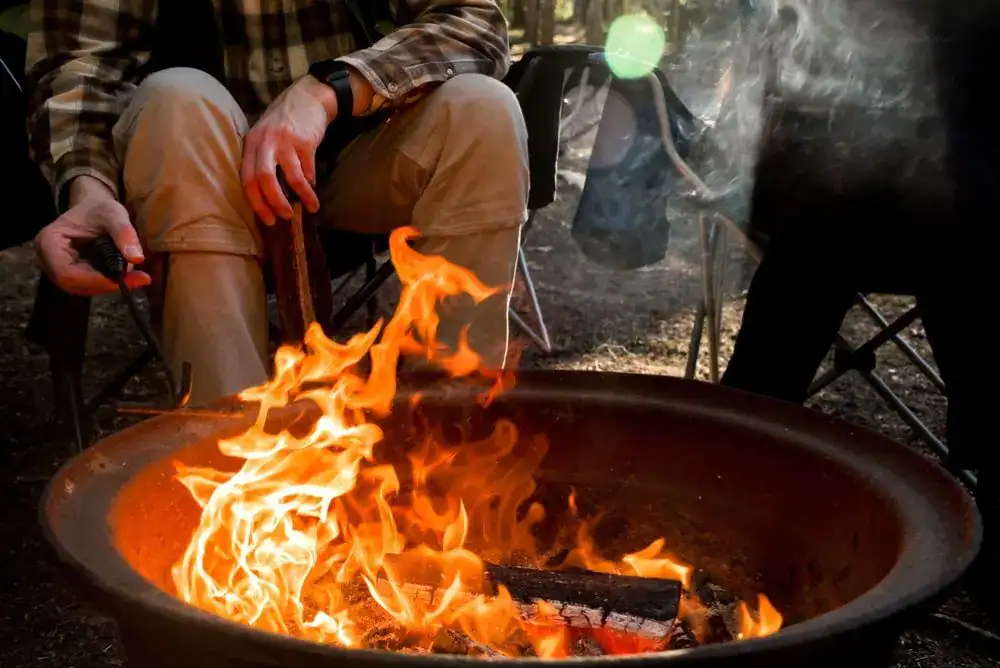
Assign a Fire Watch
Have one person in charge of the fire at all times.
Watch for Shifting Wind
Wind can push sparks into dry grass. Be ready with water or a shovel.
4. Extinguish Completely
A fire is not safe until it is cold.
Douse the Flames Thoroughly
Pour water over the fire. Stir the ashes. Repeat until everything is cool.
Double-Check for Embers
Even a single ember can restart a fire. Always check twice.
5. Protect People and Be Ready for Accidents
Keeping campers safe matters just as much as putting out the fire.
Keep Children and Pets Safe
Teach kids and pets to stay outside the fire ring. Also, make sure they know the fire is off-limits.
Campfire Safety: Fire First Aid Kit
Even small burns can ruin a trip. Pack a campfire burn kit so you’re ready.
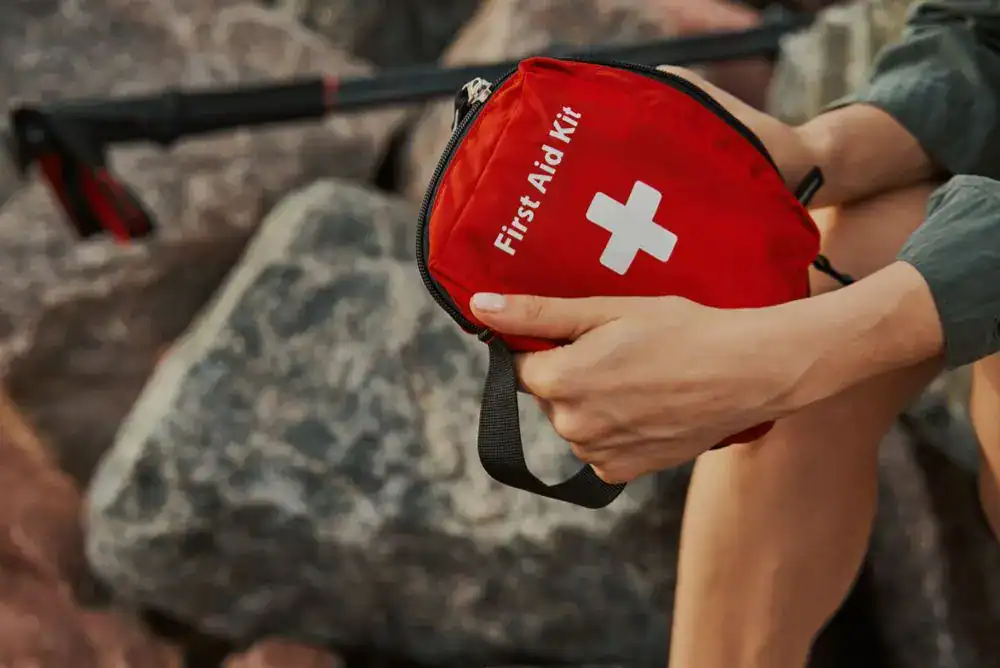
- First Aid Kit for quick care
- Burn Kit to treat minor burns
- Antiseptic wipes to clean before bandaging
Ready to Camp?
Camping in Tennessee is all about fun, family, and fresh air.
But it’s also about doing your part to keep the outdoors safe.
Whether you’re roasting marshmallows in the Smokies or camping in one of Tennessee’s 60 State Parks, campfire safety matters.
So stay safe, enjoy the fire, and remember: safety first, adventure always.
Campfire Safety FAQs
Are campfires allowed in the Smoky Mountains?
Yes. Fires are only allowed in fire rings or grills. You cannot build your own pit.
What type of firewood can I bring to Tennessee campsites?
You must use certified, heat-treated firewood. Campgrounds and local stores sell it.
Can I leave a campfire burning overnight?
No. Always put your fire out before bed. Even one ember can start a wildfire.
What should I pack for campfire safety?
Bring water, a collapsible bucket, a camping shovel, safe firestarters, and burn cream.
What do I do if a fire gets out of control?
Use water and dirt right away. If it grows too big, step back and call 911 or park rangers.
Happy Trekkn!
Camping is about more than trails and tents — it’s creating moments you’ll never forget.
So, have fun, be safe, and make every campfire a memory worth keeping.
Also, we’d love to see your adventures! Share your campfire fun on social by tagging @TennesseeTrekkn or using #TennesseeTrekkn — or drop a comment below with your favorite fireside story.
This post contains affiliate links from several of our trusted partners, including Amazon. If you book or purchase through these links, we may earn a small commission at no extra cost to you. As an Amazon Associate I earn from qualifying purchases. We appreciate your support!