
Wildlife is one of the highlights of visiting Great Smoky Mountains National Park. From black bears, elk, and deer to wild turkeys, Smoky Mountain wildlife can be seen throughout the park. Because wildlife encounters are so common, wildlife awareness in the Smokies is important for both visitors and the animals that call these mountains home. Understanding a few Smoky Mountain safety tips before your trip can help you enjoy wildlife safely and responsibly.
Disclosure: This site contains links from our trusted partners, including Amazon. If you book or purchase through these, I earn a small commission at no extra cost to you. Thanks for supporting Tennessee Trekkn!
Why Wildlife Awareness in the Smokies Matters
The choices visitors make can have a lasting impact on both people and animals throughout Great Smoky Mountains National Park. That’s why wildlife awareness in the Smokies is so important.
While it may seem harmless to approach wildlife for a closer look or photo, these actions can change an animal’s natural behavior and create dangerous situations. Simply put, the goal is to keep wildlife wild so animals continue relying on their natural food sources rather than people.
By practicing responsible wildlife viewing, you help protect Smoky Mountain wildlife, reduce the risk of negative encounters, and preserve this special experience for future visitors.
Smoky Mountain Wildlife: What You’ll Spot
Great Smoky Mountains National Park is home to a wide variety of wildlife. If you spend a little time exploring the park, there’s a good chance you’ll see some of these animals during your visit.
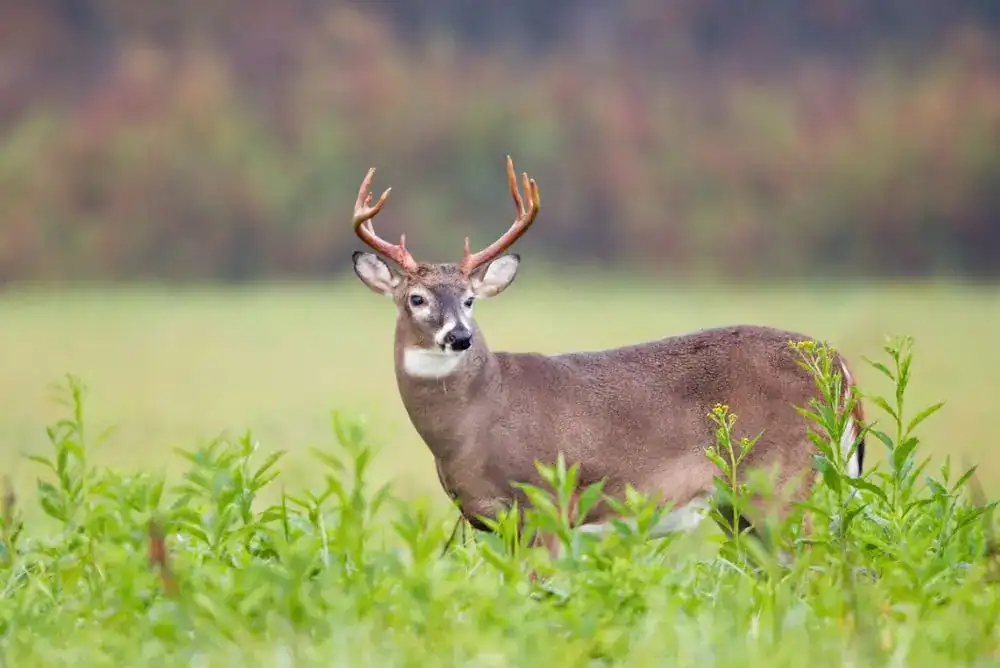
Black bears — The park’s most well-known residents. An estimated 1,900 black bears live in the Smokies, and they are often spotted in places like Cades Cove.
Elk — The largest animals in the park. They’re most active at dawn and dusk, especially in Cataloochee Valley.
White-tailed deer — Common throughout the park and often seen in fields, meadows, and along scenic roads.
Wild turkeys — Frequently spotted in open areas and along roadsides.
Birds of prey — Watch the skies for hawks, owls, and sometimes even a bald eagle.
Smaller wildlife — Raccoons, squirrels, frogs, and salamanders are found throughout the park. In fact, the Smokies are known as the Salamander Capital of the World because they are home to more salamander species than anywhere else in North America.
5 Smoky Mountain Safety Tips for Wildlife Awareness
Knowing what to do when you encounter wildlife can help keep both visitors and animals safe. These Smoky Mountain safety tips will help you enjoy wildlife responsibly while exploring the Smoky Mountains.
1. Keep Your Distance
Getting too close is the most common mistake visitors make. Park rules require staying at least 50 yards (150 feet) from bears and elk — about the length of a football field.
- Never approach an animal for a closer look or photo
- Use binoculars or a zoom lens to enjoy the moment from a distance
🌲 TREKKN TIP: Bring Binoculars
A lightweight pair of binoculars can make a big difference when viewing wildlife in the Smokies. You’ll be able to enjoy a closer look without getting too close.
2. Store Food and Trash Properly
Black bears have an incredible sense of smell and are always looking for an easy meal. Help keep bears wild by storing food and disposing of trash properly.
- Store food in bear-proof containers or locked inside your vehicle.
- Pack out all trash, including food scraps, peels, and crumbs.
- Never leave coolers, drinks, or scented items unattended.
3. Never Feed Wildlife
One of the most important Smoky Mountain safety tips is also one of the simplest: never feed the wildlife. Animals that learn to get food from people lose their fear of humans and can become dangerous — and sadly, a bold bear often has to be removed. Keeping bears wild keeps them safe, too.
- Never offer food to wildlife, no matter how harmless it may seem.
- Keep your distance at overlooks, pull-offs, and other popular viewing areas.
4. Stay Alert on Trails
Paying attention to your surroundings can help prevent surprise wildlife encounters. The goal is to avoid startling animals and give them plenty of space.
- Make noise while hiking so wildlife knows you’re nearby.
- Watch the trail ahead, especially in wooded areas or around blind turns.
PLANNING TO HIKE in the smokies?
→ Smoky Mountains backpack essentials guide — what to bring
→ Family-friendly hikes in the Smokies — easy trails for all ages
Trekkn Tip: Always check the NPS website for trail closures before you head out — conditions and wildlife activity can change fast in the Smokies.
5. Know What to Do in an Encounter
Even with precautions, you may encounter wildlife at close range — especially black bears in the Smokies, which are curious and often wander near trails and campsites. If that happens, stay calm and give the animal plenty of space.
- Back away slowly and never run.
- Speak in a calm, firm voice.
- Never get between a mother and her young.
Where to See Wildlife in the Smoky Mountains
The park is full of wildlife, but some areas offer a better chance of spotting animals than others. If you’re wondering where to see wildlife in the Smoky Mountains, these are some of the best places to look:
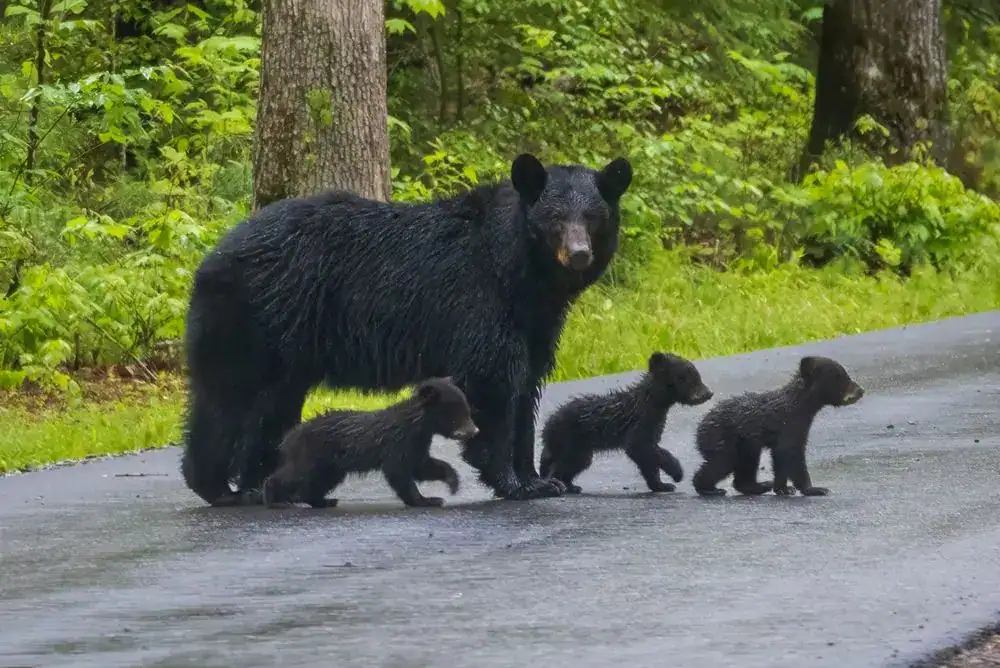
Cades Cove — One of the most popular wildlife viewing areas in the Smokies, known for black bears, deer, and wild turkeys.
Cataloochee Valley — The best place to see elk, especially during the early morning and evening hours.
Newfound Gap Road — Scenic overlooks and roadside viewing opportunities between Gatlinburg and Cherokee.
Roaring Fork Motor Nature Trail — A peaceful forest drive where wildlife is often spotted.
Campgrounds — Wildlife sometimes wanders through campgrounds in search of food, making proper food storage especially important.
While wildlife can occasionally be seen in and around Gatlinburg, animals that become accustomed to people can create safety concerns for both visitors and wildlife. That’s why it’s important to never feed animals and always observe them from a safe distance.
Enjoy the Smokies, and Keep It Wild
Seeing wildlife in the Smokies is something you’ll never forget. Whether it’s a black bear crossing a meadow, elk grazing in the early morning, or a wild turkey along the roadside, every sighting is special.
No matter where you see wildlife in the Smokies, giving animals their space and following a few simple safety tips helps keep the park wild for future visitors. That’s what wildlife awareness in the Smokies is all about—respecting the animals and the place they call home.
So take it slow, keep your distance, and enjoy the experience.
🌲 TREKKN TIP: Grab Your Parking Pass
Planning to stop and explore some of the best wildlife viewing areas in the Smokies? You’ll need a parking tag for most visits longer than 15 minutes. The fees help support trail maintenance, visitor services, and park conservation efforts. → Get all the details in our Smoky Mountains parking pass guide
Plan Your Smoky Mountain Trip
Ready to see the Smokies’ wildlife for yourself? Here’s where to book your getaway — cabins, hotels, flights, and rental cars all in one spot, so you can spend less time planning and more time spotting bears, elk, and deer.
Happy Trekkn’, Friends!
Wildlife is one of the things that makes the Smokies so special, and seeing it never gets old — even for those of us lucky enough to call this place home. Whether it’s your first visit or your fiftieth, practicing good wildlife awareness in the Smokies keeps everyone safe — you and the animals too.
So get out there, keep your distance, and enjoy God’s beautiful creatures the way they were meant to be — wild and free.
Explore More
Ready for your next adventure? Here are a few guides to help you make the most of your time in the mountains:
→ Camping in the Smokies — Find campgrounds, camping tips, and places to enjoy the outdoors.
→ Hiking in the Smokies — Discover trails for every skill level, from easy walks to challenging hikes.
→ Leave No Trace in the Smokies — Learn simple ways to help protect the park and keep it beautiful for future visitors.
Fun in the Smokies You’ll Love
Whether you’re looking for outdoor adventures, scenic views, or unforgettable experiences, the Smokies have something for everyone. Check out some of our favorite ways to explore the mountains and make the most of your trip.
Disclosure: This site contains links from our trusted partners, including Amazon. If you book or purchase through these, I earn a small commission at no extra cost to you. Thanks for supporting Tennessee Trekkn!