
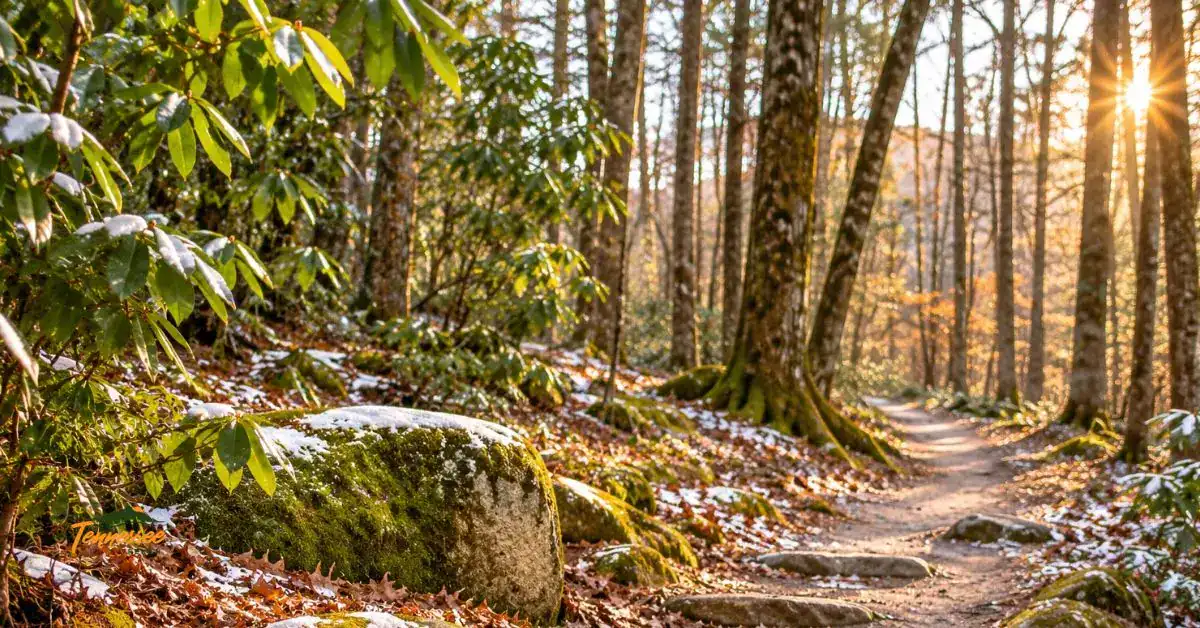
There’s something special about hiking in the Smoky Mountains during winter. The trails are quieter, the views open up through the bare trees, and with the right winter hiking essentials, there’s no reason to let a little cold keep you indoors.
I’ve found that a few simple comforts can make all the difference on the trail in winter. Warm layers, wool socks, and a thermos filled with hot coffee are always worth bringing along. After all, the best part of a winter hike is enjoying the views, not counting the minutes until you’re back in the car.
Disclosure: This site contains links from our trusted partners, including Amazon. If you book or purchase through these, I earn a small commission at no extra cost to you. Thanks for supporting Tennessee Trekkn!
DRESS FOR THE WEATHER
Start With Warm Layers
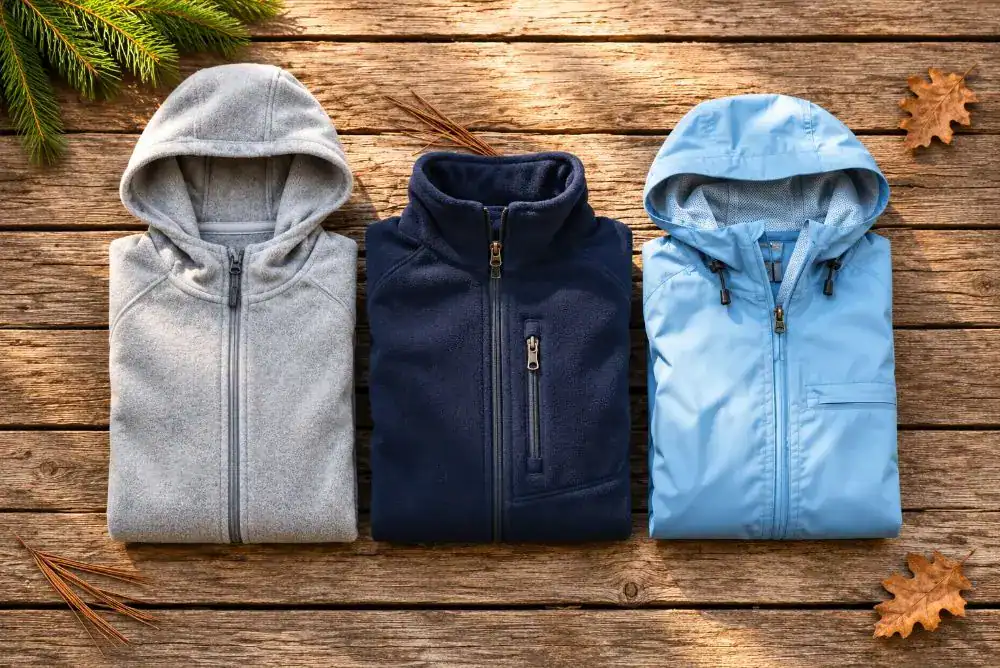
BASE LAYERS · WARM FLEECE · WEATHER PROTECTION
One of the most important winter hiking essentials is knowing how to dress in layers. Mornings in the Smokies can be cold, but once you start moving, you may warm up faster than expected. And when you stop to take in the views, that mountain air can feel chilly again.
Start with a moisture-wicking base layer that keeps sweat away from your skin, and skip the cotton. It holds moisture and can leave you feeling cold once you stop. Add a fleece or lightweight insulated jacket for warmth, then bring a wind-resistant or waterproof outer layer for extra protection.
The beauty of layering is flexibility. You can shed a layer as you warm up and pull it right back on when you pause for a break.
Moisture-Wicking Base Layers: Choose merino wool for warmth and natural odor resistance, or synthetic fabrics for quick-drying comfort at a lower price. Both work well for winter hiking.
Shop Moisture-Wicking Base Layers →
Fleece or Packable Insulated Jackets: A fleece adds warmth without much bulk. For colder days, bring a lightweight insulated jacket that fits easily in your daypack.
Shop Fleece & Insulated Jackets →
Lightweight Weatherproof Shells: A breathable, waterproof shell protects against wind, rain, and snow. Choose one that’s lightweight and easy to pack.
FROM THE GROUND UP
Keep Your Legs and Feet Warm
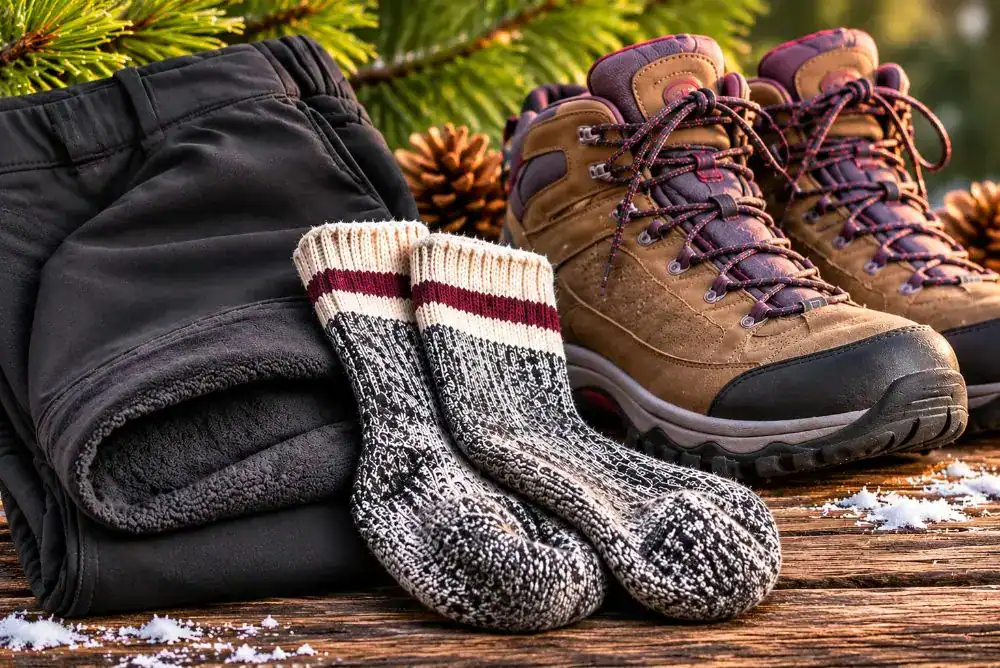
FLEECE-LINED PANTS · WOOL SOCKS · WATERPROOF BOOTS
Cold feet can take the fun out of a winter hike pretty quickly. Trails in the Smokies can be damp, muddy, and sometimes icy, even when the weather seems mild. Comfortable pants, warm wool socks, and sturdy hiking boots help you enjoy the trail without worrying about cold, wet feet.
Fleece-Lined Hiking Pants: Choose flexible, water-resistant pants with a soft fleece lining for extra warmth without restricting movement.
Shop Fleece-Lined Hiking Pants →
Merino Wool Hiking Socks: Wool keeps feet warm, even when damp. Look for a cushioned pair that fits comfortably in your boots, and pack an extra pair for longer hikes.
Shop Merino Wool Hiking Socks →
Waterproof Hiking Boots: Wet, muddy trails are common during winter. Choose waterproof boots with good traction and enough room for warm socks.
THE LITTLE EXTRAS
Small Winter Hiking Essentials That Make a Difference
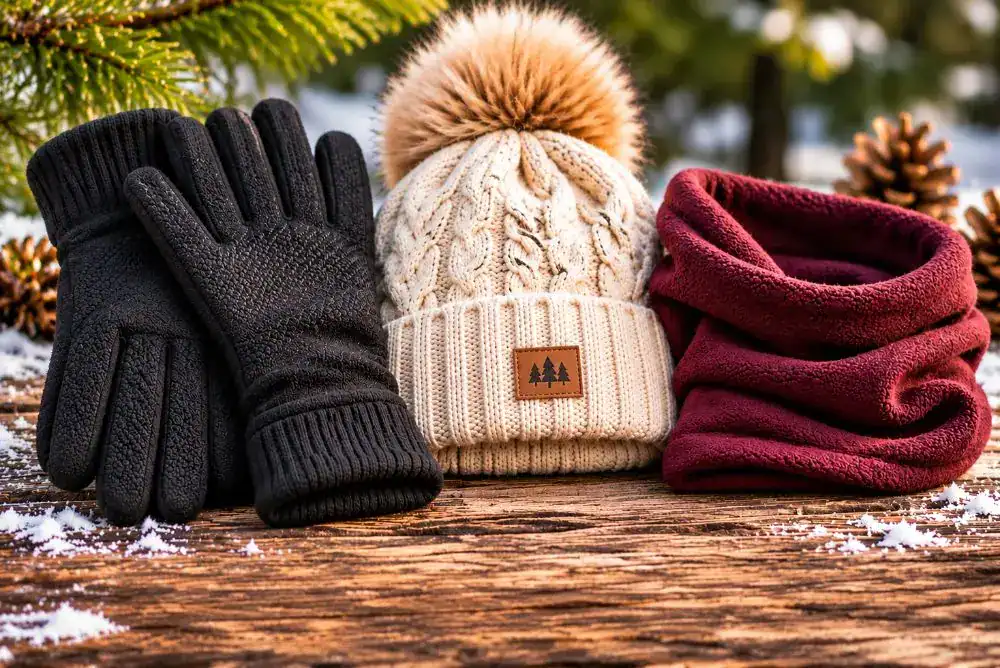
GLOVES · WARM BEANIES · NECK GAITERS
Cold fingers and chilly ears can make even a short hike uncomfortable. Fortunately, a few small accessories can help you stay warm without adding much weight to your daypack.
Touchscreen Hiking Gloves: Choose warm, flexible gloves that let you use your phone without exposing your fingers to the cold.
Shop Touchscreen Hiking Gloves →
Hand Warmers: Keep a few disposable or rechargeable hand warmers in your pack for rest stops and photo breaks.
Warm Winter Beanies: A fleece-lined or wool beanie helps keep your head and ears warm, especially on windy mountain trails.
Fleece Neck Gaiters: A neck gaiter blocks biting wind and pulls up over your nose and cheeks when temperatures drop.
PACK A LITTLE COMFORT
What to Pack for a Winter Hike in the Smokies
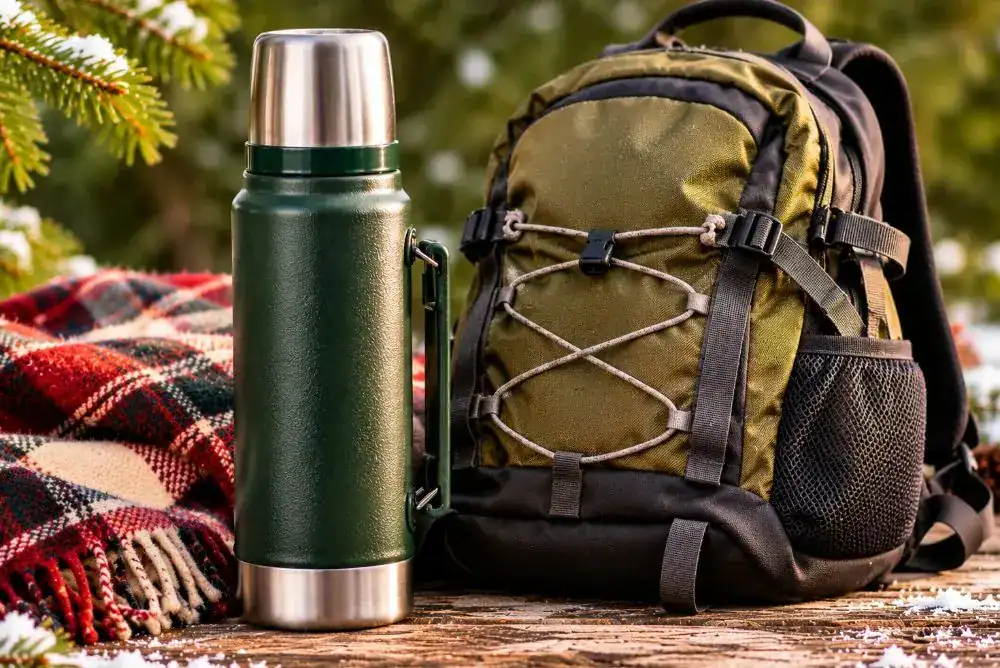
HOT DRINKS · WARM COMFORT · DAYPACK ESSENTIALS
There’s nothing quite like stopping for a hot cup of coffee while hiking in the Smokies. Along with your warm layers, a few simple things in your daypack can make those winter trail breaks even better.
Insulated Coffee Thermos: Bring hot coffee, tea, or cocoa to enjoy along the trail. Choose a leakproof thermos that keeps drinks warm for hours.
Insulated Water Bottle: It’s easy to forget to drink when it’s cold, but you still need water on the trail. An insulated bottle helps prevent freezing on frosty mornings.
Shop Insulated Water Bottles →
Trail Snacks: Pack nuts, granola bars, or trail mix for extra energy during your hike. They’re easy to carry and enjoy along the way.
Lightweight Hiking Daypack: Keep water, snacks, extra layers, and other essentials organized in a comfortable pack that won’t weigh you down.
A FEW SMART EXTRAS
A Few More Winter Hiking Essentials Worth Bringing
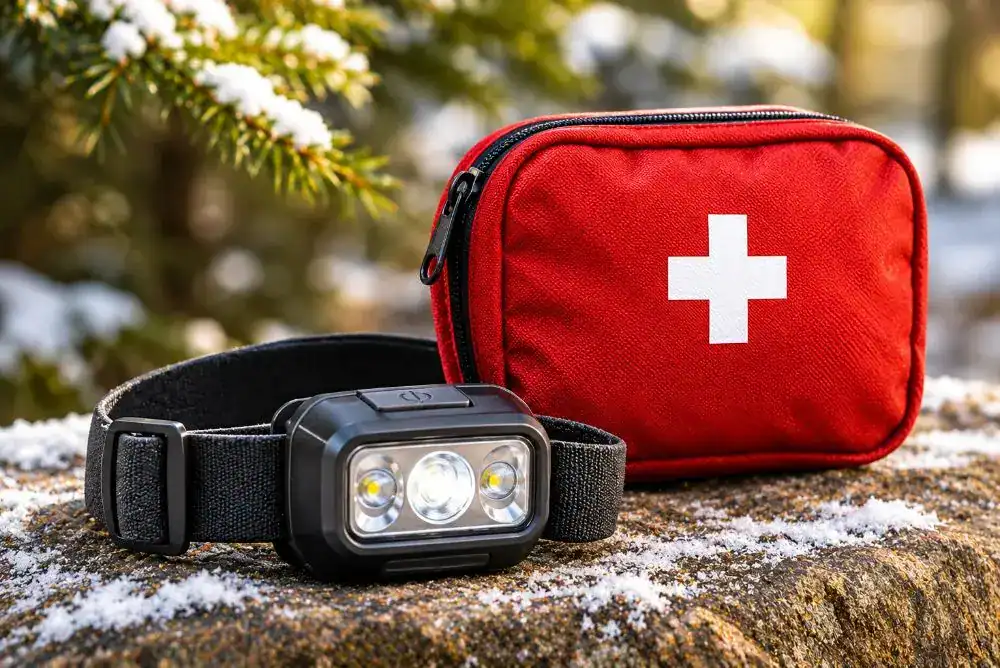
TRAIL TRACTION · EXTRA STABILITY · PEACE OF MIND
A few extra items can come in handy when winter trail conditions change. You may not need everything on every hike, but these are worth considering before heading into the Smokies.
Traction Spikes: Lightweight traction spikes slip over your hiking boots and provide extra grip on packed snow and ice.
Trekkn Tip: Even when the weather feels mild, shaded trails and higher elevations can remain icy. Before heading out, check the National Park Service’s Current Road & Trail Conditions → for closures and weather-related alerts.
Trekking Poles: A little extra stability helps on uneven, slippery trails. Adjustable trekking poles can also make downhill sections easier on your knees.
Compact First-Aid Kit: Keep a small kit with bandages, blister care, and other basics tucked inside your daypack. It’s one of those things you hope you won’t need but will appreciate having.
Lightweight Headlamp: Winter daylight disappears earlier than you might expect. A small headlamp is easy to pack and gives you a backup light if your hike takes longer than planned.
Before You Hit the Trails
A little planning is just as important as packing the right winter hiking essentials for a day on the trails in the Smokies.
Start early to make the most of shorter days, and choose a trail that fits your experience, the forecast, and the time you have available. If you only have an hour or two, stick with a shorter trail rather than committing to a long hike. Temperatures can be much colder at higher elevations, even when it’s pleasant in Gatlinburg.
Before you go, check the park’s road status. Some roads close seasonally during winter, while others may close temporarily because of snow and ice.
Let someone know where you’re headed and when you expect to return. And if the weather turns or the trail gets uncomfortable, there’s nothing wrong with turning around.
After all, winter hiking should be about enjoying the mountains, not pushing your limits.
Ready to pick a trail? Check out our favorite Winter Hikes in the Smoky Mountains →.
Winter Hiking FAQs
Dress in layers you can adjust as you warm up, with wool socks and waterproof boots to keep your feet dry and warm.
Temperatures at the higher peaks can be 10 to 20 degrees colder than in Gatlinburg, with more wind, snow, and ice. Always check the forecast for the elevation where you plan to hike.
Yes. Parking tags are required year-round if you park in the national park for more than 15 minutes, unless an exemption applies. Our Smokies Parking Pass Guide → covers where to buy one.
Most hiking trails remain open year-round, but some park roads close seasonally or during winter weather. Kuwohi Road and Roaring Fork Motor Nature Trail close for the winter, while Newfound Gap Road may close temporarily because of snow or ice. Always check current park conditions before heading out.
Ready for a Winter Hike in the Smokies?
Winter hiking in the Smokies doesn’t have to be complicated. With a few warm layers, comfortable boots, and the right winter hiking essentials in your daypack, you’re ready for a gorgeous day on the trail.
Pack something warm to sip, slow down, and enjoy the mountains in their quietest season.
Happy Trekkn’, Friends!
Disclosure: This site contains links from our trusted partners, including Amazon. If you book or purchase through these, I earn a small commission at no extra cost to you. Thanks for supporting Tennessee Trekkn!