
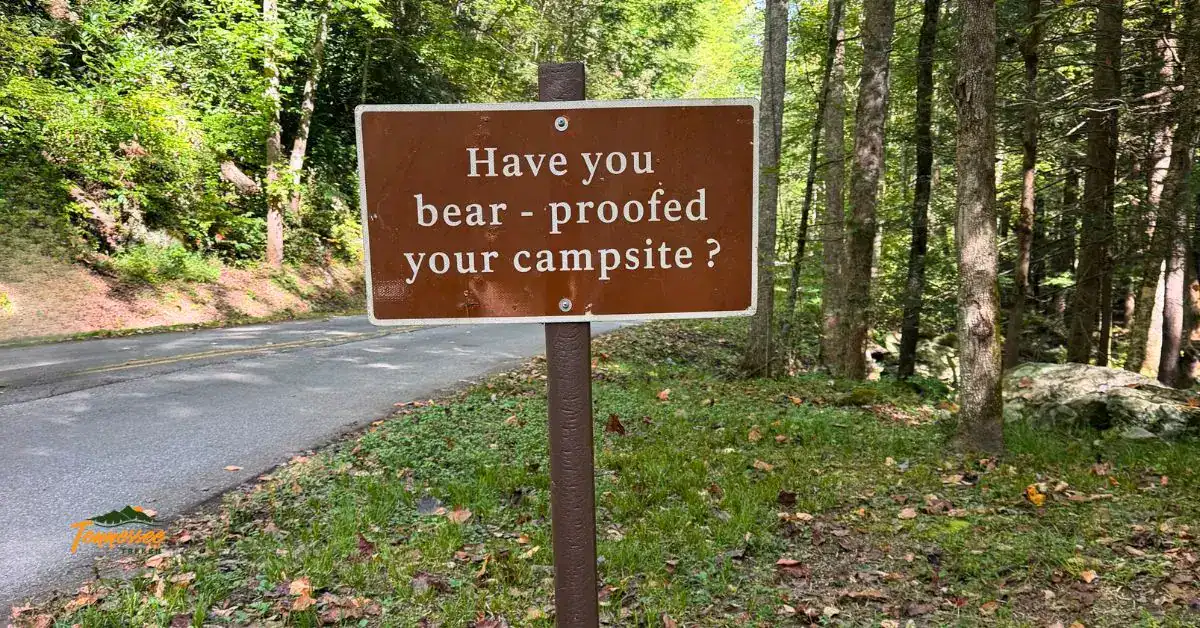
You’ve probably seen the sign at campgrounds across Tennessee, posted at the entrance or near the bathhouse: Have you bear-proofed your campsite? It’s easy to read it and keep walking. But bears follow their noses, and a campsite can smell interesting long after supper is over. Bear safety for campers starts with a bear proof campsite: knowing what attracts bears and putting those things away.
A cooler left out, trash by the picnic table, or even lip balm inside your tent can be enough to get a bear’s attention.
This guide will help you walk through your campsite and know what needs to be stored, cleaned up, or put away. There’s also a quick checklist at the end to help make sure your site is bear proof.
Disclosure: This site contains links from our trusted partners, including Amazon. If you book or purchase through these, I earn a small commission at no extra cost to you. Thanks for supporting Tennessee Trekkn!
Bear Safety for Campers, No Matter How You Camp
Whether you camp in a tent, car, or RV, the same rule applies: bears follow smells. Food, coolers, grills, and even toiletries can get their attention.
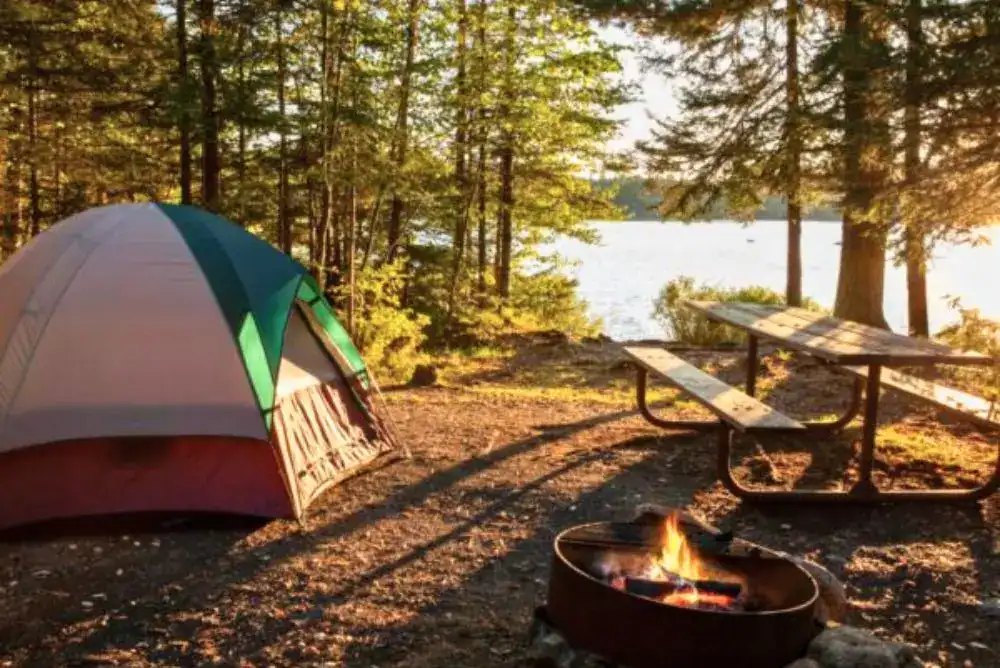
Tent Camping
A tent is for sleeping, not food storage. Keep food, drinks, toothpaste, and other scented items in your vehicle or the campground’s food storage locker.
Leave only your sleeping gear inside.
Car Camping
Your vehicle is a good storage spot when used correctly. Keep food and coolers in the trunk or inside a closed vehicle with the windows up.
A truck bed or open hatchback doesn’t count. Bears can easily get to anything left within reach.
RV Camping
Hard walls help, but don’t forget what’s outside. Grills, outdoor kitchens, coolers, and food left under the awning can all attract bears.
Clean up after cooking and put everything away when you’re finished.
Good to Know: Bears can get into vehicles and push through screens when food attracts them. Close up, lock up, and never leave food within reach.
Bear Safety While Camping: Food and Coolers
Food is one of the biggest things that can bring a bear into your campsite. And it’s not just what you’re cooking for dinner. Snacks, drinks, condiments, and coolers can all get a bear’s attention.
When you’re finished eating or cooking, put everything away. Store food and coolers in a closed, locked vehicle or a campground food-storage locker when one is available.
We use both our RTIC cooler and a Truma refrigerated cooler that runs off our camper. The Truma stays plugged in inside our Opus OP2, so it’s closed up whenever we’re not using it. Our RTIC goes in the locked vehicle when we’re finished with it.
Don’t forget to wipe down your cooler, too. Spilled drinks, food drips, and crumbs can leave smells behind.
Tent Camping Tip: If you don’t have a vehicle nearby, use the campground’s food-storage locker. Campgrounds like Cades Cove Campground post their food-storage rules, so check them before your trip.
Cooking Gear and the Mess You Don’t Notice
Dinner may be over, but the smells can stick around. Grease on the grill, crumbs on the picnic table, and food left on cooking utensils can all attract a curious bear.
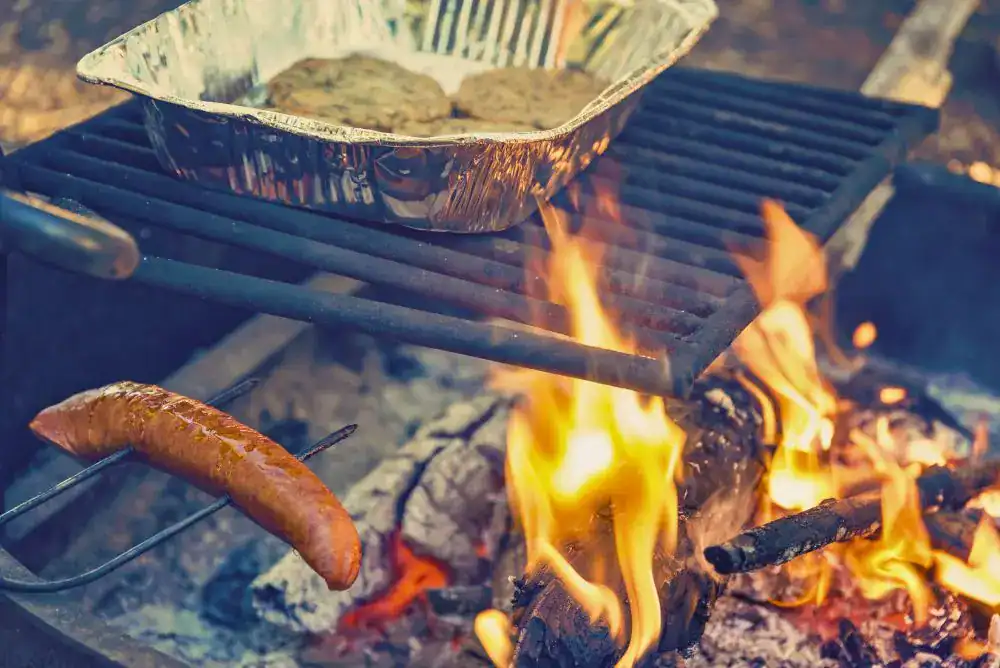
After cooking, give your campsite a quick cleanup. Wipe down the table and grill, wash your dishes, and put cooking utensils and food away.
Don’t forget things like cooking oil, seasonings, and dirty dish towels. If it has a food smell, treat it like food and store it securely.
And never use the campfire as a trash can. Food scraps and wrappers shouldn’t be burned in the fire ring.
→ Read our campfire safety guide before your next camping trip.
Before Bed: Take one last look around your cooking area. A few minutes of cleanup can make a big difference overnight.
Trash Is a Bear Magnet
To a bear, a trash bag is just another meal. Wrappers, cans, and paper plates can still smell like food after you toss them.
Keep trash bagged and tied, and never leave it sitting around your campsite. Take it to the campground’s bear-resistant dumpster when the bag is full or before you leave for the day.
Until then, store trash securely just like you would food.
And watch for the little things—a candy wrapper, bottle cap, or stray chip. A quick walk around your site can catch what you missed.
Pack It Out: Leave your campsite cleaner than you found it. Our Leave No Trace guide shares simple ways to help protect the places we camp.
Toiletries and Scented Items
Food isn’t the only thing that smells interesting to a bear. Toothpaste, deodorant, lotion, lip balm, and other scented items can get their attention too. Good bear safety for campers means treating these just like food.
Keep toiletries with your food when you’re not using them, even if everything is sealed. A toiletry bag left on the picnic table or in a camp chair can be just as tempting as a snack.
Sunscreen, bug spray, and medications can also have a scent, so put those away before bed or anytime you leave camp.
Quick Check: After a trip to the bathhouse, put your camp toiletry bag away right then. It’s easy to set it down and forget it.
What Never Belongs in Your Tent
Your tent should hold one thing: your sleep setup. Sleeping bags, pillows, pads, and a flashlight are all you need in there. Keeping it that way is a big part of a bear proof campsite.
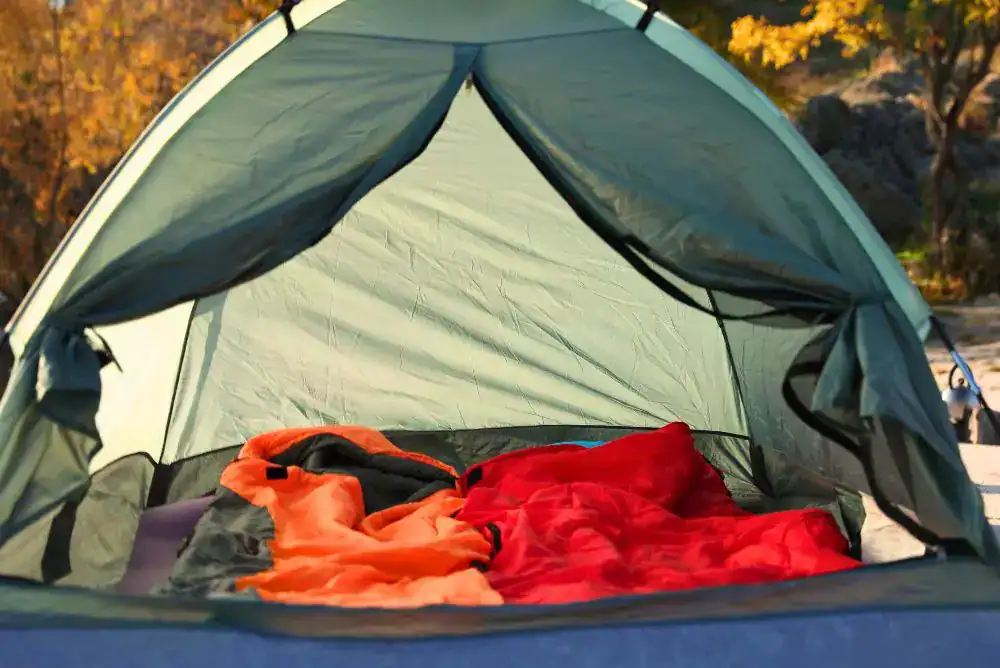
Food, drinks, and snacks never go in the tent, not even a granola bar for the morning. The same goes for coolers, cooking gear, toiletries, and trash.
Before bed, check your clothes for food spills or grease from supper. A shirt with food on it or a greasy cooking towel belongs in your vehicle or camper, not your tent.
If you have kids along, do a quick sweep of their sleeping bags and bags before lights out. Little ones are pros at stashing snacks.
Simple Rule: If it smells like anything, it sleeps somewhere else.
Camping With Pets in Bear Country
Plenty of campers bring their dogs along. Just remember that a dog’s food and treats can attract a bear too.
Store pet food and treats the same way you store your own food. Pick up food bowls after meals, and don’t leave them outside overnight.
Keep your dog leashed and close by. A curious dog can chase a bear and then run back toward you.
Never leave a pet tied up alone at camp, especially at night or when you leave for the day. Bring them inside your tent, camper, or vehicle at bedtime.
Good to Know: Great Smoky Mountains National Park allows pets in campgrounds, but they must be kept on a leash.
Bear Safety While Camping: Before Bed and Before You Leave
Before bed or heading out for the day, take one last look around your campsite.
Check the picnic table, fire ring, grill, and around your chairs. Put away anything with a smell, including food, coolers, trash, and toiletries.
Make sure your vehicle and camper are closed up too. It only takes a couple of minutes, and it’s one of the easiest bear safety habits for campers to build. A bear proof campsite needs to stay that way, even when you’re gone.
Quick Tip: Make one last lap around camp part of your nighttime routine.
What to Do If a Bear Walks Into Camp
Even with a clean campsite, a bear may wander through. Here in Tennessee, black bears are part of camping in the mountains, so knowing what to do matters. Most are just curious and will wander off on their own. Never approach it or run. Keep kids and pets close, and give the bear plenty of space.
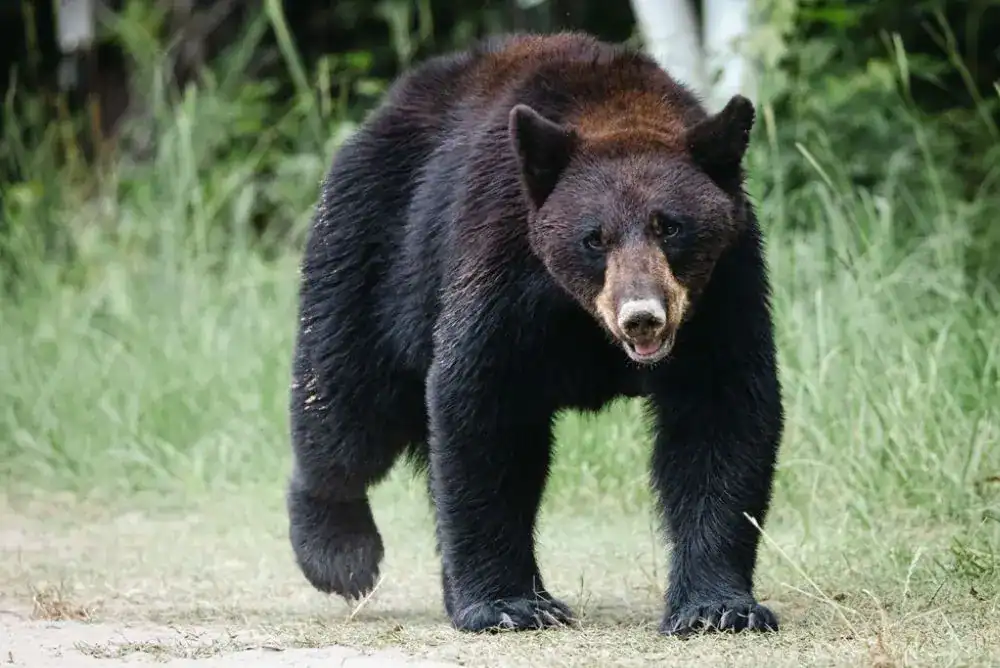
If a bear approaches or lingers around your campsite, follow the campground or park’s bear-safety guidance. Make yourself look large, use a firm voice, and make noise to encourage it to leave.
Never throw food to distract a bear. That can teach it to associate campsites and people with food.
Once the bear leaves, report the sighting to the camp host or a ranger. Outside the national park, you can also report bear sightings or problems to the Tennessee Wildlife Resources Agency.
Want to Know More? Learn more about black bears and staying safe in our Bears in the Smokies guide.
Is Your Campsite Bear Proof? A Quick Checklist
Before bed or heading out, give your campsite one last check. This quick bear safety for campers checklist makes it easy.
IS YOUR CAMPSITE BEAR PROOF?
☐ Food, drinks, and snacks are stored securely
☐ Coolers are wiped down and put away
☐ Dishes are washed and cooking gear is stored
☐ Picnic table and grill are clean
☐ Trash is secured or taken to the dumpster
☐ Toiletries and scented items are put away
☐ Nothing scented is inside the tent
☐ Pet food and bowls are stored
☐ Vehicle and camper are closed up
☐ One last walk around camp is done
Camp Smart, Enjoy the Outdoors
Seeing a black bear while camping is a special moment. Seeing one from a safe distance—and not at your picnic table—is even better.
A bear proof campsite comes down to a few simple habits. Put food away, keep your site clean, and take one last look around before bed. Those small steps protect your family, your fellow campers, and the bears that call the woods home, whether you’re camping in the Smokies, the Cherokee National Forest, or out on the Cumberland Plateau.
So the next time you pass that Have you bear-proofed your campsite? sign, you’ll know your answer is yes. Then you can settle in by the fire and enjoy the gift of a night outdoors.
Happy Campin’, Friends!
Disclosure: This site contains links from our trusted partners, including Amazon. If you book or purchase through these, I earn a small commission at no extra cost to you. Thanks for supporting Tennessee Trekkn!