
What’s New in Smoky Mountain Hiking
Here’s what’s new for Smoky Mountain hiking. Find trail ideas, helpful tips, and fresh updates to help you plan your next hike.
Before You Park in the Smokies: Here's What You Need to Know
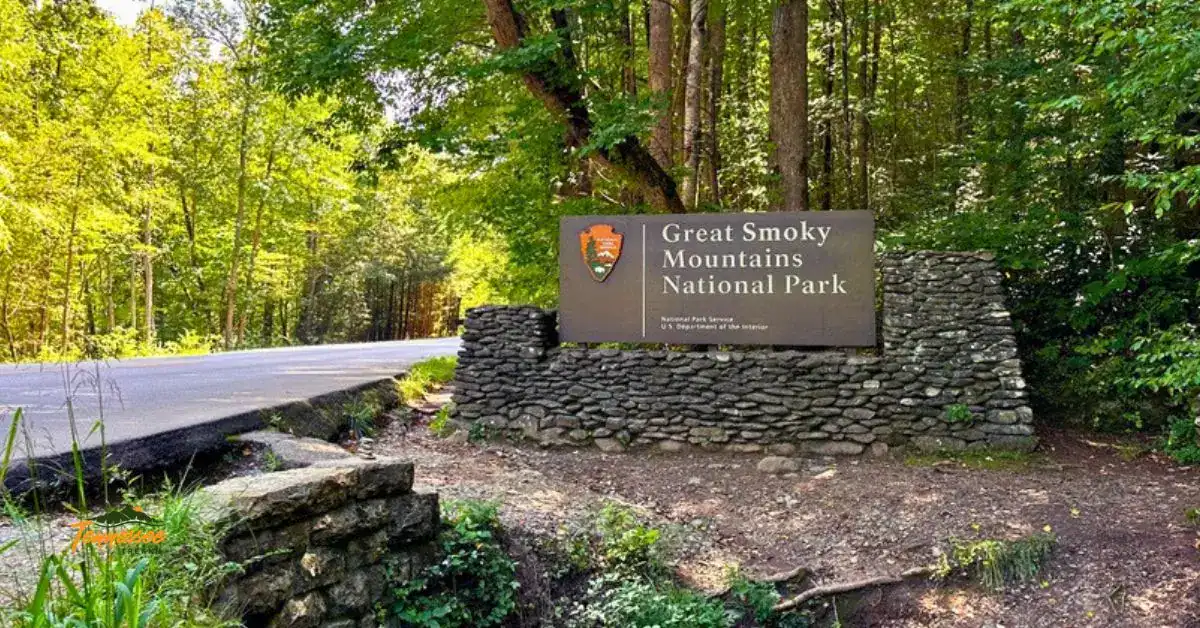
A day in the Smokies might mean driving Cades Cove, picnicking by the river, hiking a favorite trail, or pulling over for a mountain view. However you spend it, there’s one thing to know before you park: you may need a Smoky Mountains parking pass. Entry to Great Smoky Mountains National Park is still free,…
Bears in the Smoky Mountains: Everything You're Wondering
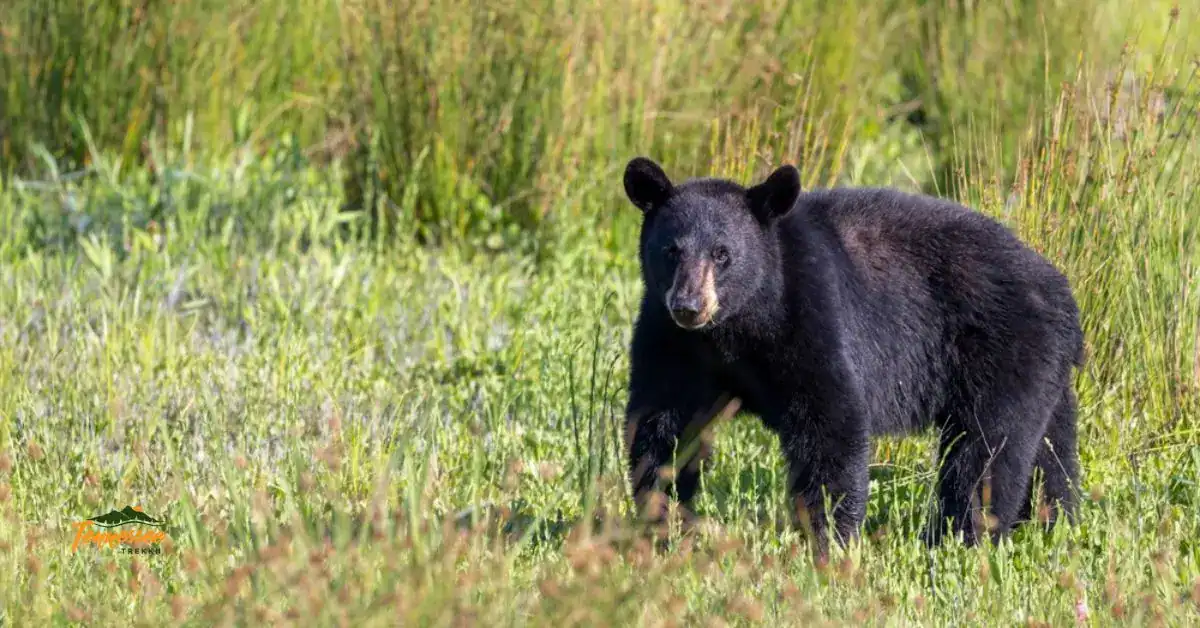
Bears in the Smoky Mountains have a way of turning an ordinary drive into the story you tell for years. You round a bend in Cades Cove, someone gasps, and there it is—a black bear moving through the tall grass as if it has nowhere in particular to be. Nearly everyone wonders the same thing:…
Wildlife Awareness in the Smokies: Stay Safe, Spot More
Wildlife is one of the highlights of visiting Great Smoky Mountains National Park. From black bears, elk, and deer to wild turkeys, Smoky Mountain wildlife can be seen throughout the park. Because wildlife encounters are so common, wildlife awareness in the Smokies is important for both visitors and the animals that call these mountains home.…
Best Hikes Along Newfound Gap Road in the Smoky Mountains
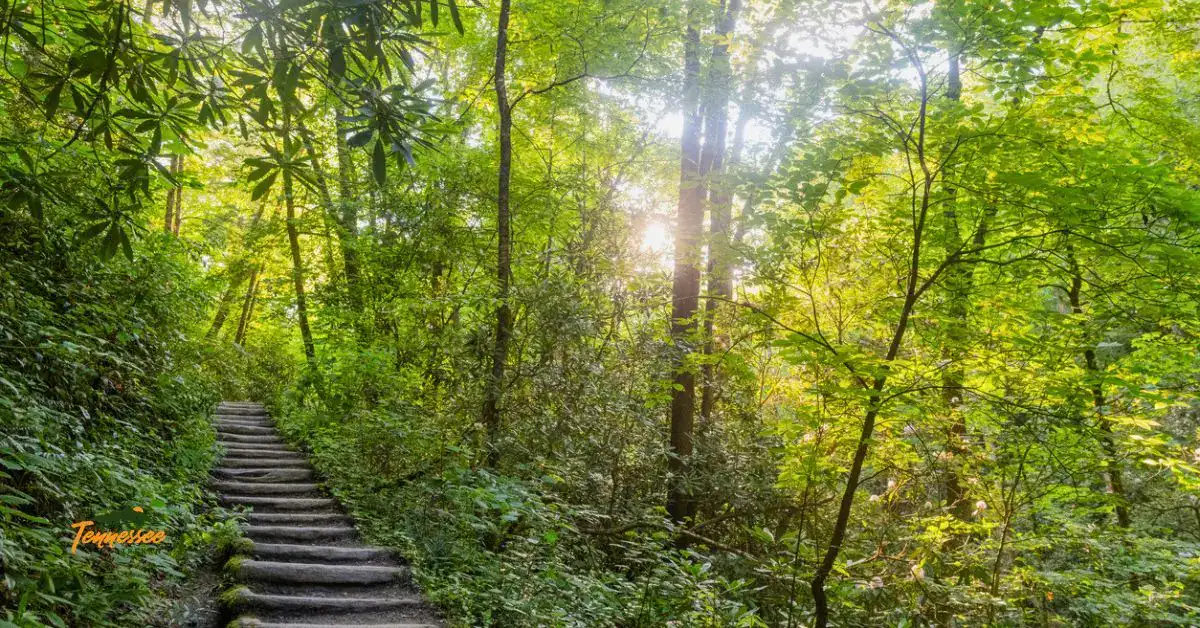
If you’re planning a road trip in the Smoky Mountains, the trails along Newfound Gap Road are some of the best to hike in the national park. We’ve driven this Smoky Mountain road more times than we can count, and there’s always a new trail worth exploring along the way. In this guide, we’re sharing…
Kuwohi (Clingmans Dome): Everything You Need to Know
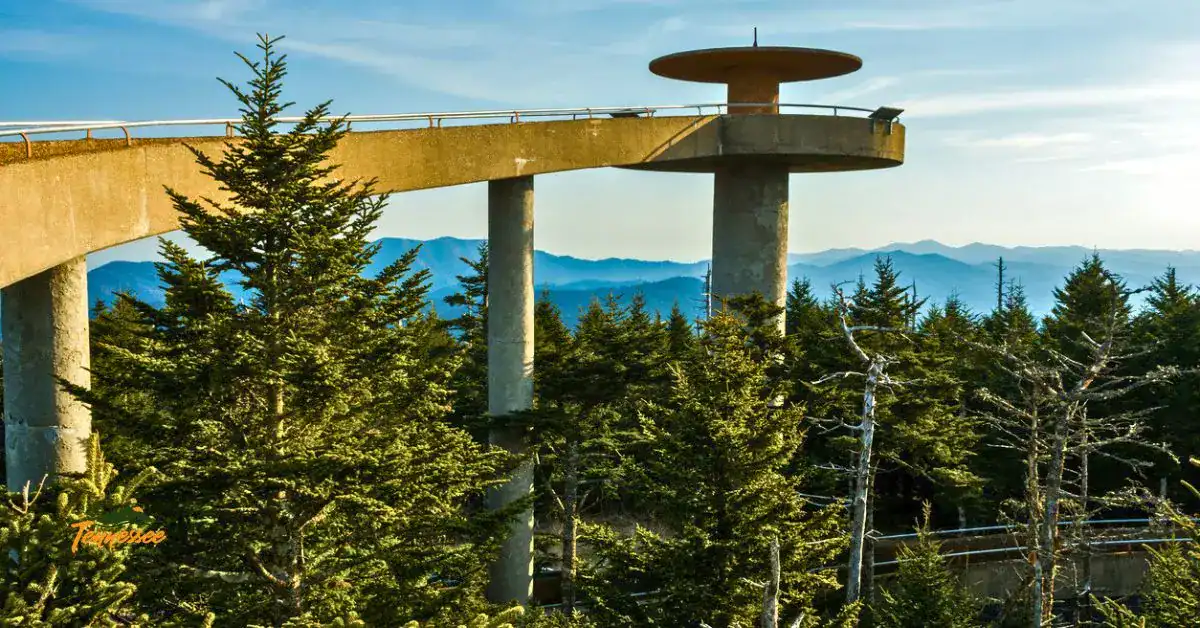
You may have noticed a new name on Smoky Mountains maps lately. Clingmans Dome Tennessee is now officially called Kuwohi. It’s a meaningful change — and it makes this spot even more special. Kuwohi sits at the highest peak in the Smokies and the Kuwohi observation tower has some of the most unreal views in…
Guided Wildflower Hike in the Smokies — How to Book
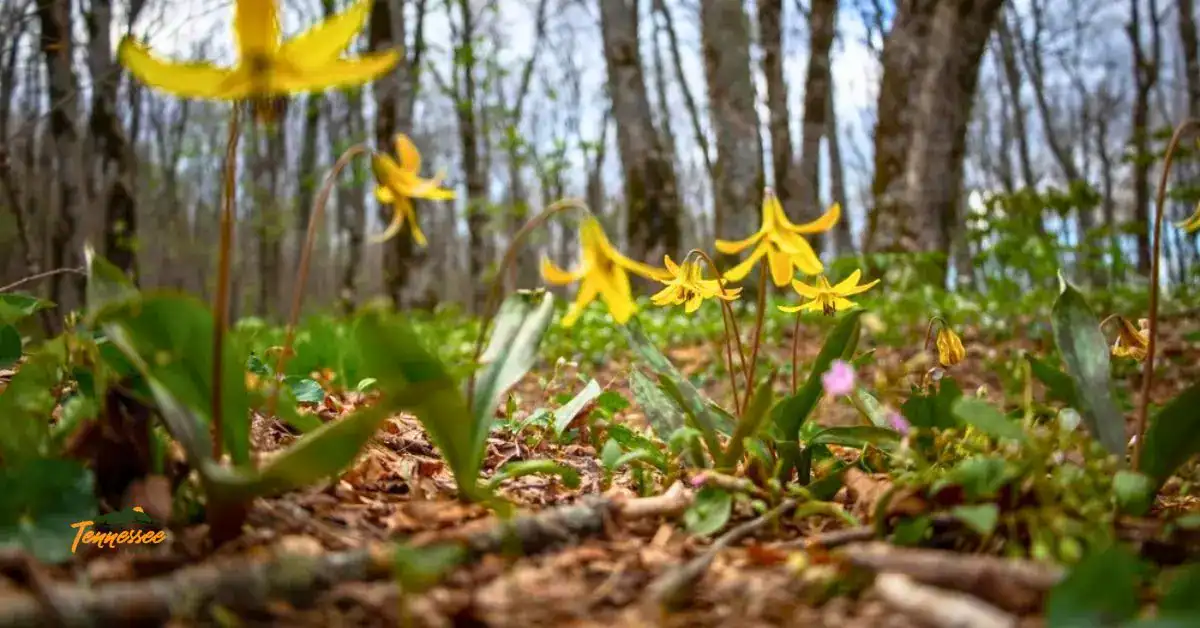
Spring is one of the best times to visit the Great Smoky Mountains trails. Colorful wildflowers bloom along the trails in shades of pink, white, and yellow. Bloom season is short though — the best displays come and go in just weeks. A guided wildflower hike in the Smoky Mountains is the perfect way to…
Best Times to Hike in the Smokies
In the Smokies, each season hikes differently—so plan for weather, crowds, and trail conditions.
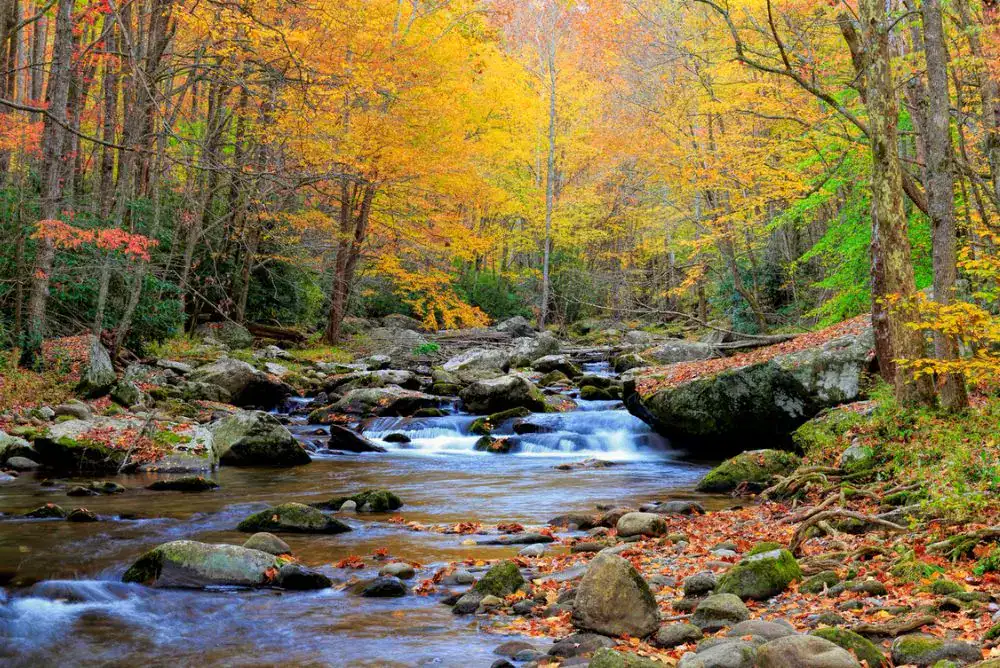
- Spring – Great for wildflowers, cool temps, and strong waterfalls after rain.
- Summer – Summer hikes in the Smoky Mountains are best early in the day, with long daylight hours, shady forests, and bright green views.
- Fall – Fall hiking in the Smokies is all about colorful trails, crisp mountain air, and big views during peak leaf season.
- Winter – Winter hikes in the Smoky Mountains can be quiet and peaceful, with clearer views and fewer crowds, but watch for ice and road closures.
Choose Your Smoky Mountain Trail
With so many trails in Great Smoky Mountains National Park, choosing an area first helps you narrow down your hike.
- Cades Cove – Scenic drive access with classic hikes like Abrams Falls, plus wildlife viewing and wide valley views.
- Newfound Gap Road – Higher elevations, cooler temps, and big overlooks, with access to Clingmans Dome (Kuwohi) and several ridge trails.
- Gatlinburg Area – Easy park access near town, including the Gatlinburg Trail, one of the few dog-friendly trails in the Smokies.
- Tremont / Middle Prong – Quieter forest trails, river views, and beautiful waterfalls, especially in spring and fall.
- Deep Creek (North Carolina side) – Waterfalls, tubing in summer, and a mix of easy-to-moderate loop options.
Smoky Mountain Hiking Trekkn Tips
A little preparation makes Smoky Mountain hiking safer and more enjoyable.
- Know Your Trail – Before hitting the trail, check the distance, elevation gain, and recent conditions, and download your trail map ahead of time.
→ Download your trail map on AllTrails (or your favorite app) so you can navigate confidently
→ Always check the NPS website for current trail and road closures before heading into the park.
- Pack the Essentials – Smoky Mountain weather can change fast, so bring water, snacks, and a light layer to stay comfortable on the trail.
→ See our Backpack Essentials for the Smokies to make sure you’re prepared before you hit the trail.
- Plan for Parking – Parking fills fast at popular Smoky Mountain trailheads, so start early and keep a backup hike in mind on busy days.
→ Use our Smoky Mountain Parking Pass Guide to learn how to get yours before you go.
Iconic Smoky Mountain Hikes to Add to Your Bucket List
Some Smoky Mountain hikes are classics for a reason—big views, famous waterfalls, and trails you’ll remember long after you head home.
- Kuwohi (Clingmans Dome) – 1 mile roundtrip. Short but steep paved climb to the highest point in the Smokies with panoramic views.
- Abrams Falls – 5 miles roundtrip. A moderate hike near Cades Cove leading to one of the park’s most powerful waterfalls.
- Mount LeConte (via Alum Cave) – 11 miles roundtrip. A strenuous full-day hike with standout views—and if you’re lucky enough to have a reservation, LeConte Lodge is at the top.
→ Want to stay at LeConte Lodge? Reservations are required, so plan ahead and check availability early for your Mount LeConte hike.
Guided Smoky Mountain Hikes
If you want local insight and less guesswork, a guided hike in the Smokies can be the easiest way to explore.
Happy Trails, Trekkn Friends
We love exploring the Smokies—Middle Prong is my personal favorite area. We hope you find a trail that fits your day and leaves you with views (and maybe a waterfall) you’ll be thinking about long after your hike.
A little planning goes a long way in the Smokies, and we hope this page helps make choosing your next hike a little easier. Happy hiking! 🙂
Disclosure: This site contains links from our trusted partners, including Amazon. If you book or purchase through these we earn a small commission at no extra cost to you. We appreciate your support!